

Production Capabilities
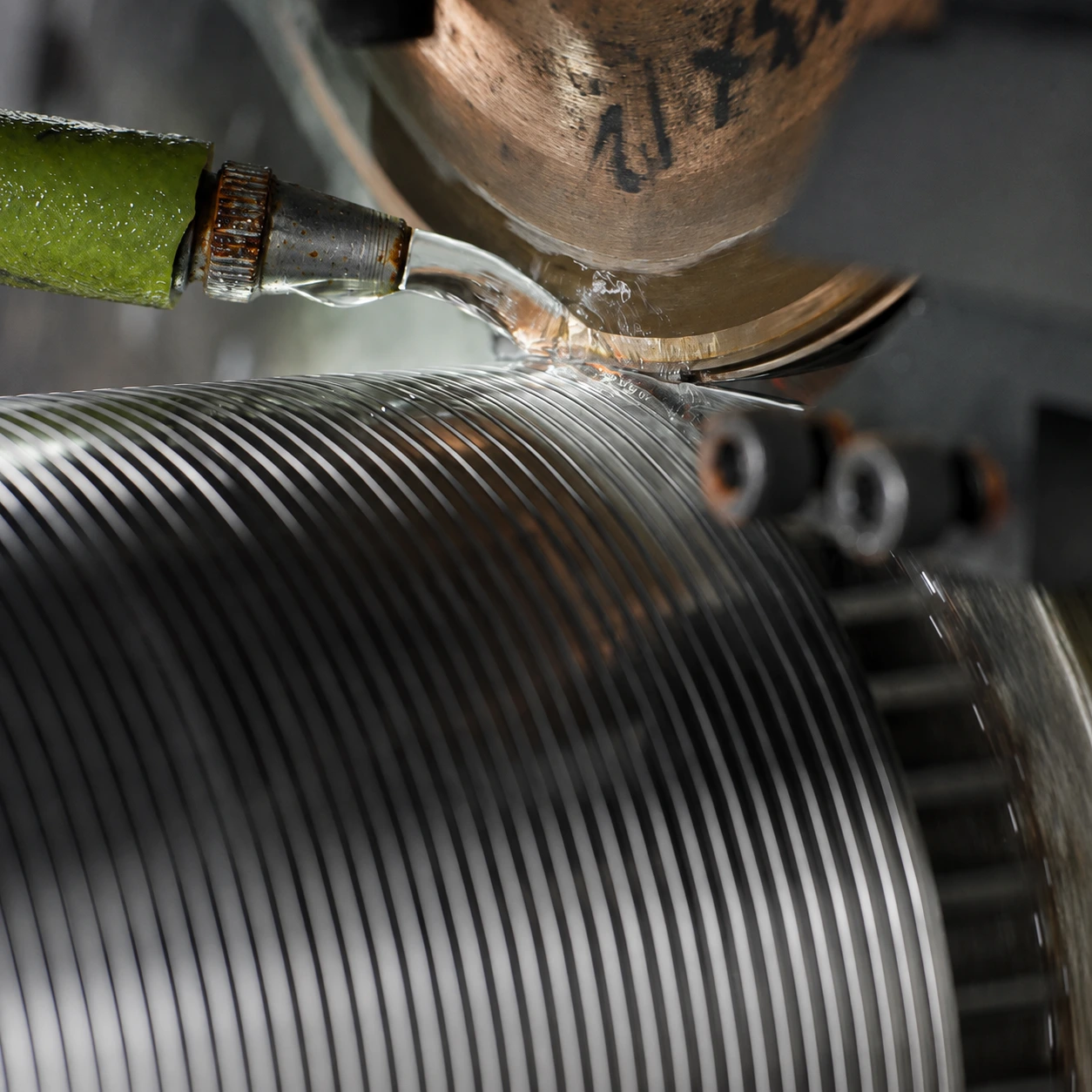
Wire Wrapping
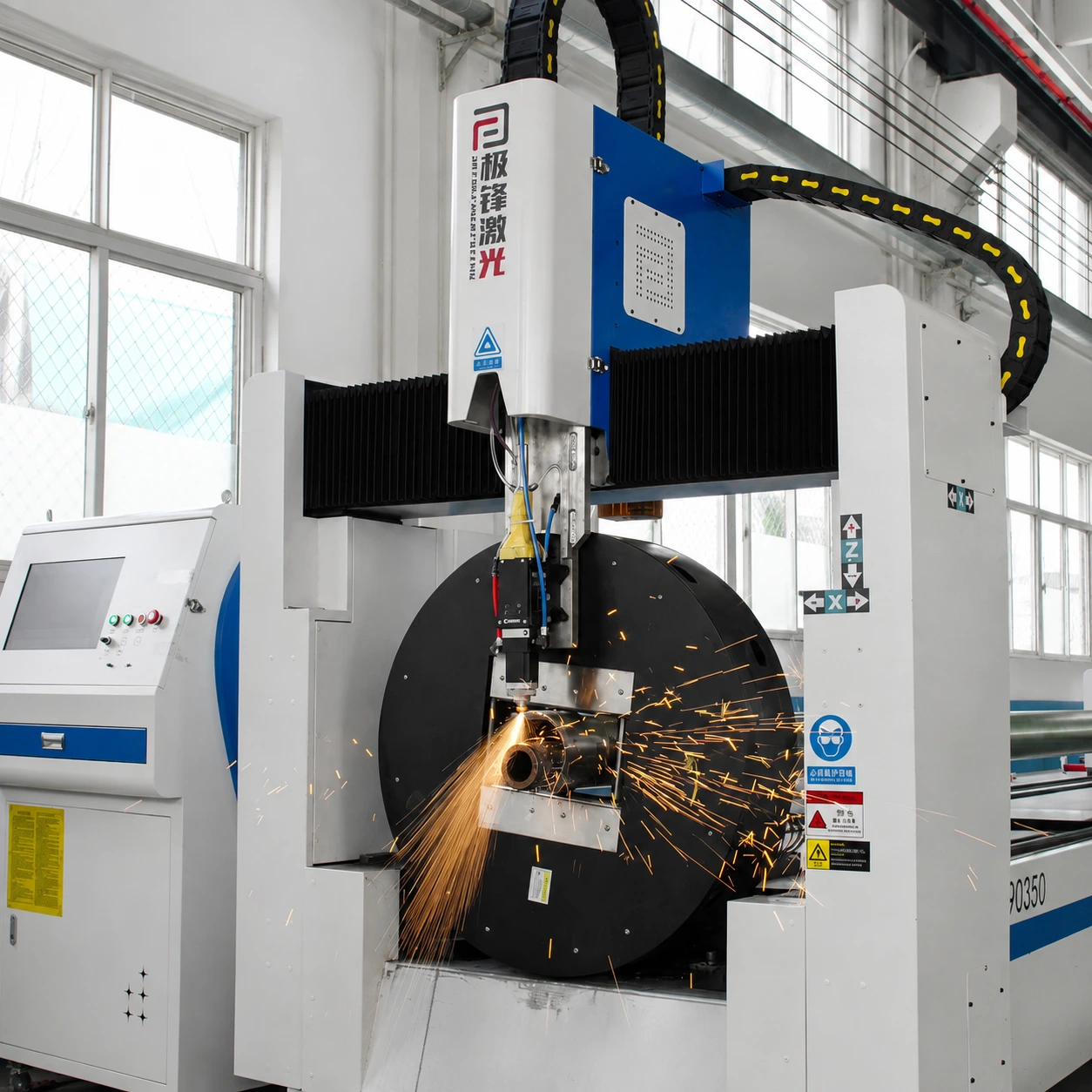
Cutting
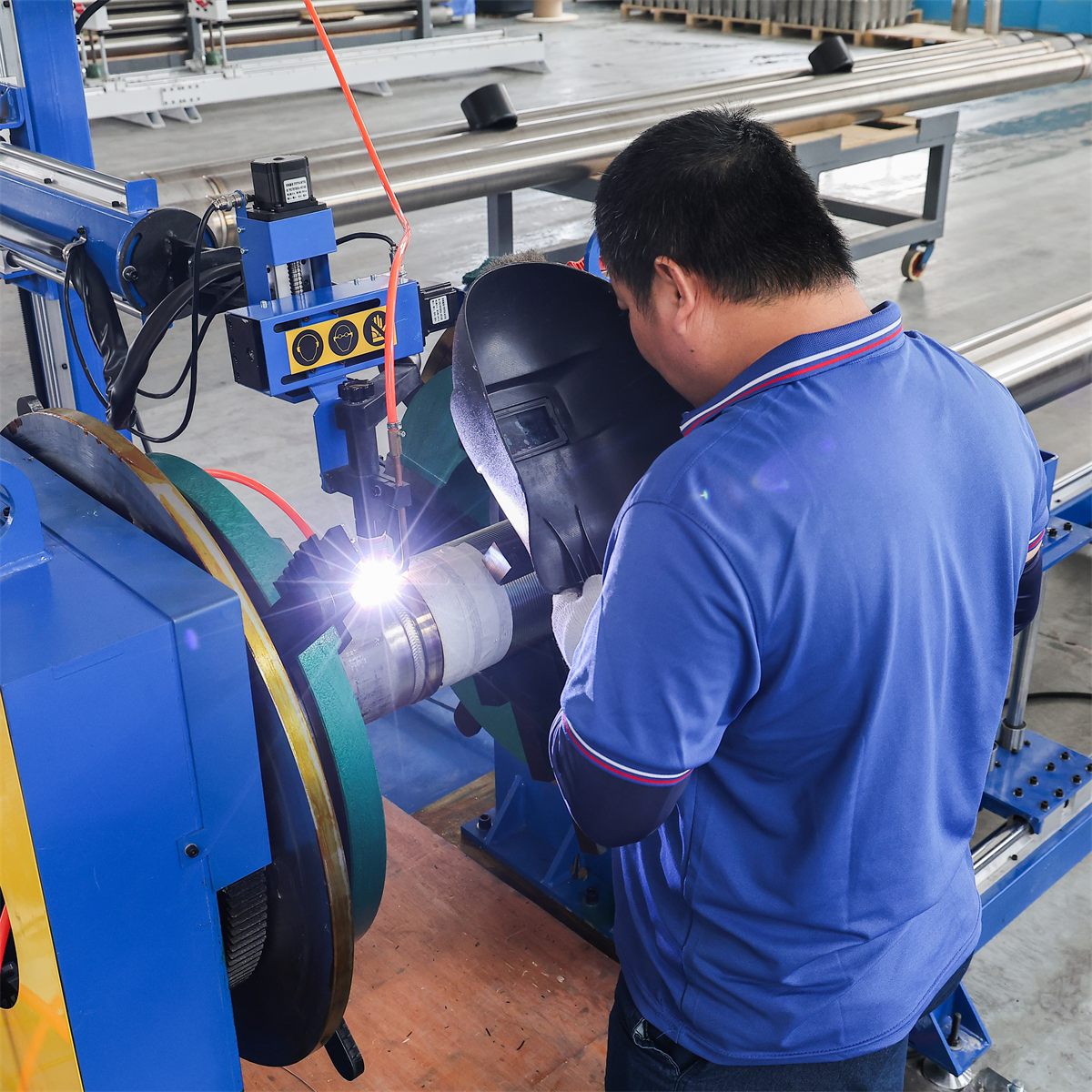
Welding
Product Specifications & Models
Stainless Steel Wire-Wrapped Screen
Product Features
- 304, 304L, 316 and 316L stainless steel.
- Wrap wires resistance-welded to longitudinal support rods; slot width ≥0.1 mm.
- Quality control includes material composition, wire and rod tensile testing, drift inspection, and finished-screen tensile and collapse tests.
- Configuration
- Outside diameter, strength, slot size, length and connection
Stainless Steel Plain Pipe
Product Features
- 304, 304L, 316 and 316L stainless steel with machined pipe threads.
- Supplied with couplings and thread protectors; STC, LTC and BTC connections.
- Configuration
- Outside diameter, wall thickness, length, material and connection
Stainless Steel Tail Pipe
Product Features
- 304, 304L, 316 and 316L stainless steel.
- Machined pipe thread at one end and a welded conical end fitting at the other.
- Tail-pipe construction combining a straight tubular section with a conical bottom.
- Configuration
- Outside diameter, wall thickness, length and end connection
GRE/GRV Slotted Screen
Product Features
- GRE pipe combines glass fibers and epoxy resin for a lightweight, rigid and corrosion-resistant structure.
- Precision-cut slots with widths ≥0.5 mm.
- Configuration
- Inside diameter, slot size, length and connection
Neutral Joint
Product Features
- Three-part construction: API casing end, intermediate GRE section and stainless-steel pipe end.
- The intermediate GRE section separates the two metal tubular sections.
- Overall length: 1–3 m; STC, LTC and BTC connections.
- Configuration
- End interfaces, thread, material and overall length
Centralizer
Product Features
- Hinged, non-welded construction for ease of installation.
- Manganese-steel and stainless-steel material options.
- Casing/bore size combinations range from 6-5/8 × 8-1/4 to 18-5/8 × 22 in.
- Configuration
- Size, structure and material
Float Collar
Product Features
- Seamless alloy-steel body with a cavity filled with Class G oilwell cement.
- Drillable resin-plug back-pressure valve.
- Configuration
- Size, connection, structure and material
Float Shoe
Product Features
- Seamless alloy-steel body with a cavity filled with Class G oilwell cement.
- Drillable resin-plug back-pressure valve.
- Configuration
- Size, connection, structure and material
Two-Stage Cementing Collar
Product Features
- Mechanical and hydraulic two-stage cementing designs.
- Main components: stage collar, flexible plug, shut-off baffle and closing plug.
- Drillable rubber/aluminum internals with an anti-rotation mechanism for easier drill-out.
- Configuration
- Size, connection and material
Drill Bit
Product Features
- Product types include PDC, roller-cone and steel-tooth bits.
- Pin connections include IF, REG, NC and FH; seal options include metal, rubber and composite designs.
- Configuration
- IADC code and connection
Provide well depth, bore and casing sizes, formation and quantity.
Related resources
Water Well Screen Resources
Use these guides and references to confirm screen selection, inspection requirements, and the information needed for an accurate quotation.
Water well screen selection and ordering
OFD supplies stainless steel wire-wrapped screens, casing, tail pipes, GRE slotted liners and water-well tubular accessories. Confirm the configuration of each component against the well design and project requirements before ordering.
What is a wire-wrapped water well screen?
A wire-wrapped screen uses profile wire wound around and welded to support rods to form controlled slot openings. The slots admit groundwater while retaining the formation or gravel-pack particles selected by the well design. Slot size, screen dimensions, material and connections must be specified together.
How should screen slot size be selected?
Start with representative formation samples and their particle-size distribution. In a naturally developed well, slot selection relates to the formation; in a gravel-packed well, select the gravel pack from formation data and then match the screen opening to that gravel. Include the selected slot size and tolerance in the order. Smaller slots are not automatically better.
What is the difference between a screen, casing and tail pipe?
The screen is the slotted intake section of the well string. Casing is specified for the unscreened sections, while the tail pipe is a separate lower component in the completion design. List their diameters, lengths, materials and connections separately so that the components can be checked against the same drawing.
What information is needed to review the material?
Provide the proposed material grade, water chemistry, temperature, and any planned cleaning chemicals. Include the required mechanical loads and connection details. A stainless steel grade alone does not establish suitability for every groundwater environment.
What should a water-well product RFQ include?
Send well depth, borehole and casing sizes, formation information, product type, dimensions, slot size and tolerance, material, connection details, quantity and delivery requirements. Attach drawings and available gravel-pack information. Mark unknown fields as pending confirmation rather than guessing a value.
Does more screen open area guarantee higher well yield?
No. Screen open area is one part of the intake design. Sustainable well yield also depends on the aquifer, available drawdown, screen placement, gravel pack and well development. Confirm these conditions when comparing screen configurations.
How should screen strength requirements be specified?
Specify collapse resistance, axial tensile requirements and connection requirements separately for the complete screen construction. Agree the calculation or test basis and acceptance criteria for the ordered configuration. A material tensile result or a reference pressure listed for another construction does not establish the rating of the ordered screen.
What quality documents can be supplied?
Document availability and scope are agreed with the order. Depending on the product and inspection plan, records may include material identification, dimensional inspection, applicable test results, batch or item identification, and packing records. Specify any third-party or witnessed inspection requirements before the order is confirmed.
How are lead times and sample arrangements confirmed?
Lead time is confirmed for each order according to the product, quantity, current stock and approved technical requirements. Sample availability, quantity, price and delivery are agreed separately. Please provide your required delivery date and destination with the inquiry.
What are the quotation and payment terms?
The quotation states the product configuration, quantity, pricing unit, currency, Incoterm, payment terms and delivery scope. Freight and export charges are identified according to the quoted terms. Where a product listing specifies an EXW price, freight and export costs are quoted separately.