Contents
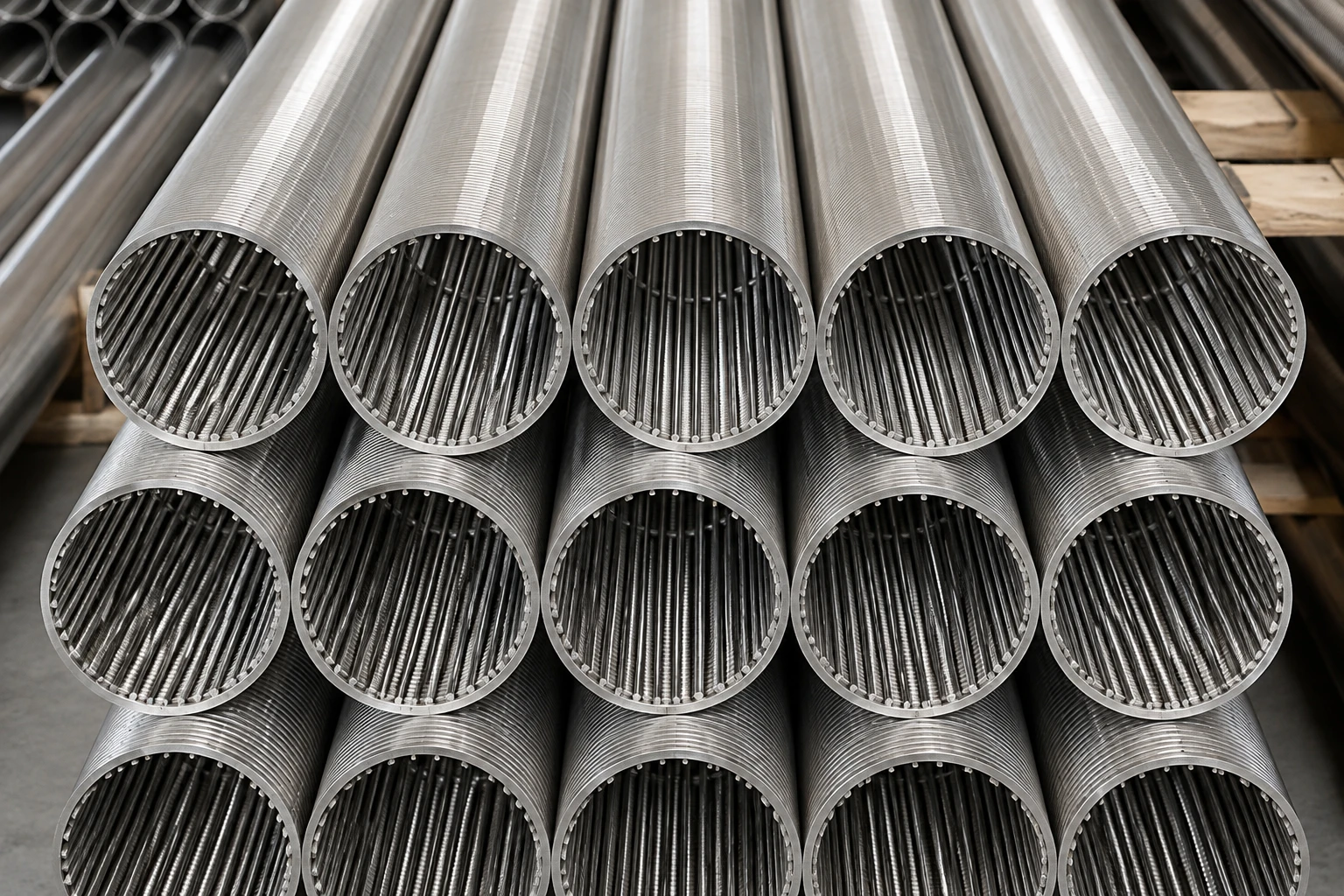
“What slot size should the screen use?” is one of the most common water well questions, but slot size is not an isolated product value. It must be reviewed together with formation particles, gravel design, well structure, material and expected operating conditions.
1. Start with formation information
Provide particle-size distribution, sample information or a formation description for the target aquifer. The designer normally uses this information and the completion method to establish the sand-control basis. When a gravel pack is planned, include the gravel size and design basis.
2. Confirm the screen structure at the same time
Slot size must be coordinated with screen outside diameter, base pipe, support rods, wire profile, effective length and required strength. Long intervals or special installation conditions may also introduce straightness, connection, lifting and protection requirements.
3. Specify more than “stainless steel”
State the material grade or applicable standard and review it against water chemistry and the corrosion environment. Material requirements affect raw-material procurement, welding procedures, inspection records and lead time.
4. Define connections and section lengths
State each section length, connection type, thread or welding requirement, and how the screen connects with casing, tail pipe and crossover subs. A correct individual screen does not by itself guarantee that the complete string can be assembled and installed.
5. Manufacturing and inspection
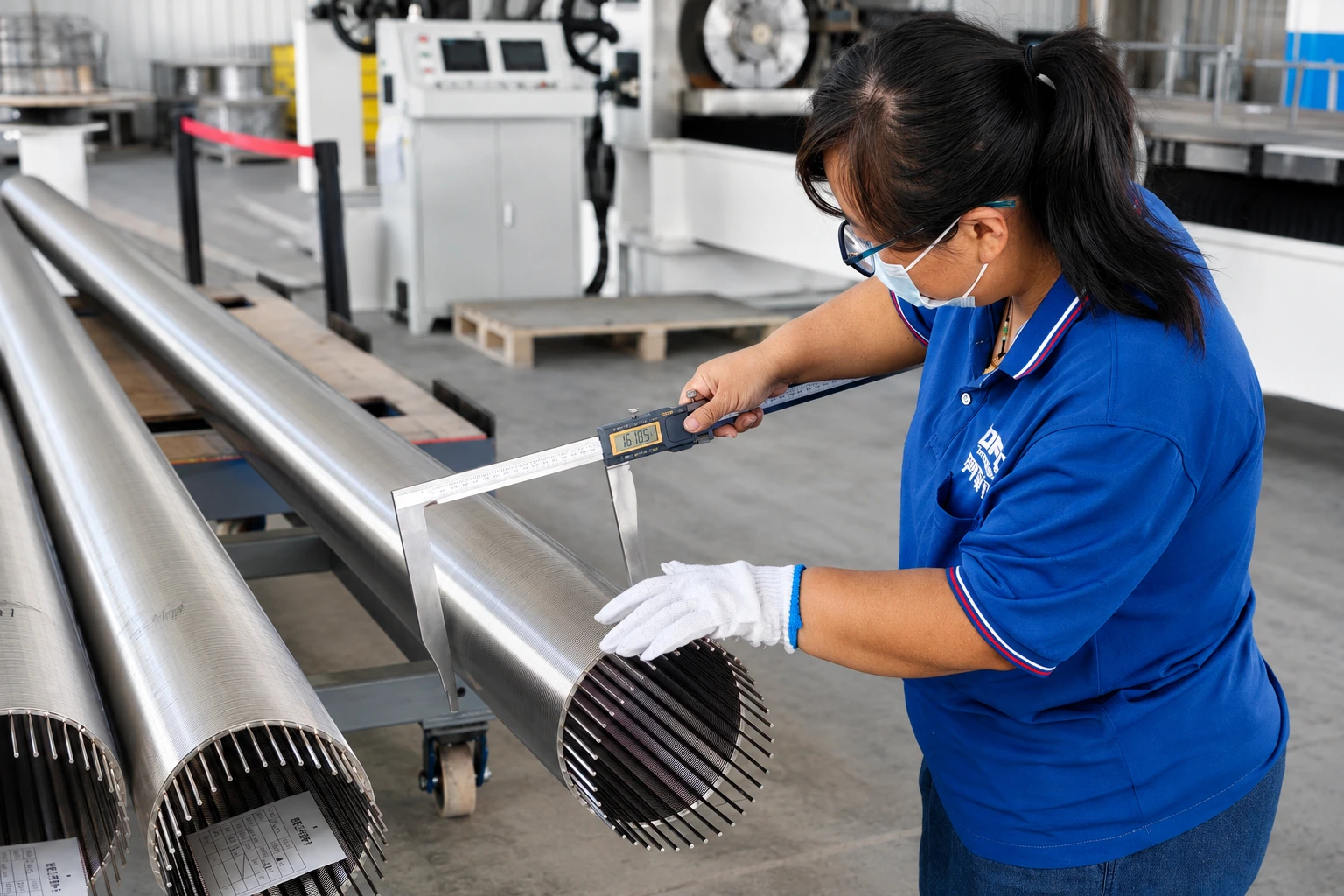
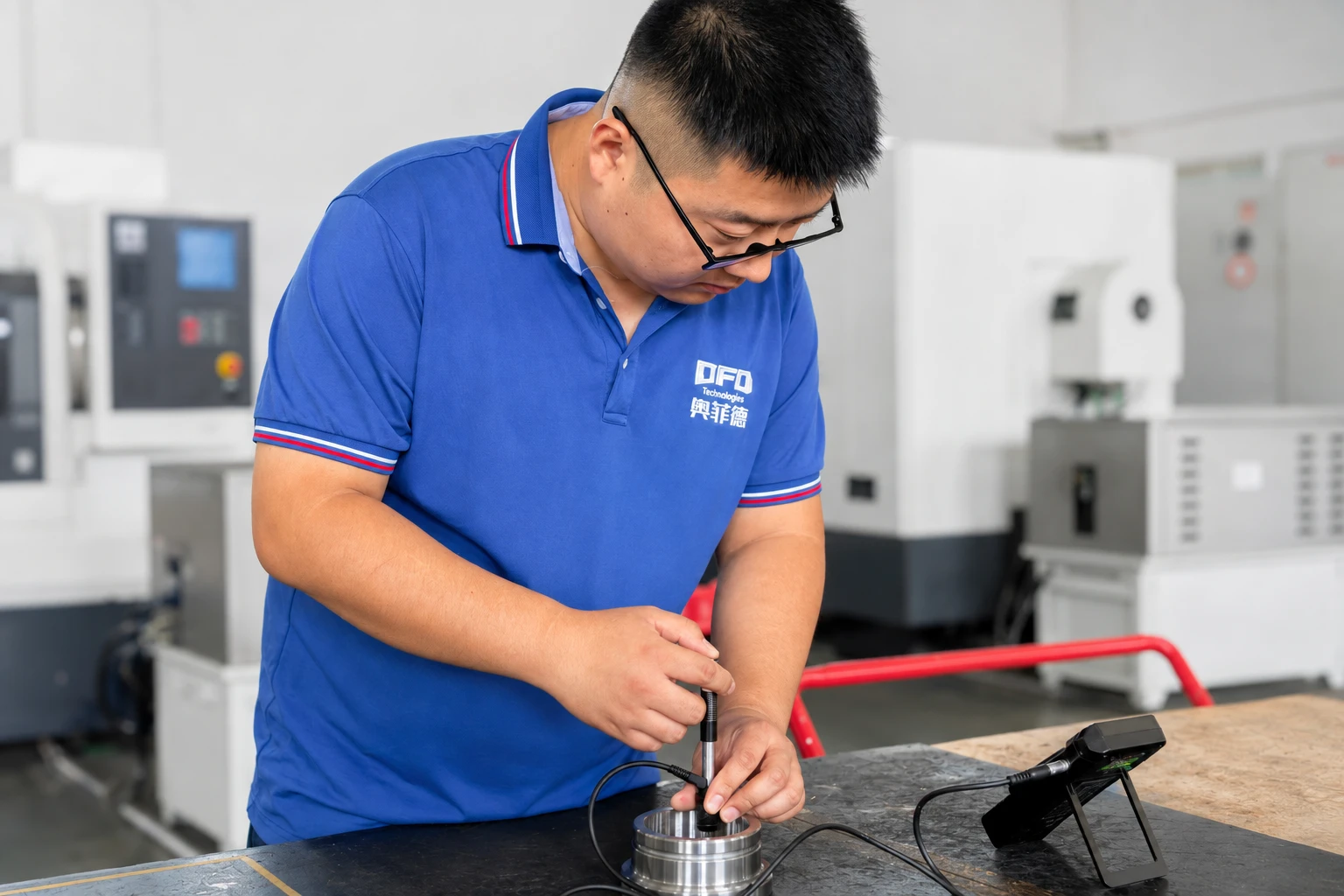
OFD water well production capability includes wire welding, laser cutting and joint welding. Drawings and the BOM are confirmed before production; key dimensions, slot condition and weld status are checked during manufacturing; identification and quality documents are organized before release.
Four items to confirm before quotation
| Formation | Particle analysis, samples or formation description, plus gravel-pack design. |
|---|---|
| Structure | Outside diameter, base pipe, slot, effective length, sections and connections. |
| Material | Material grade, applicable standard, water chemistry and corrosion conditions. |
| Delivery | Quantity, drawings, inspection documents, packing and delivery sequence. |