Contenido
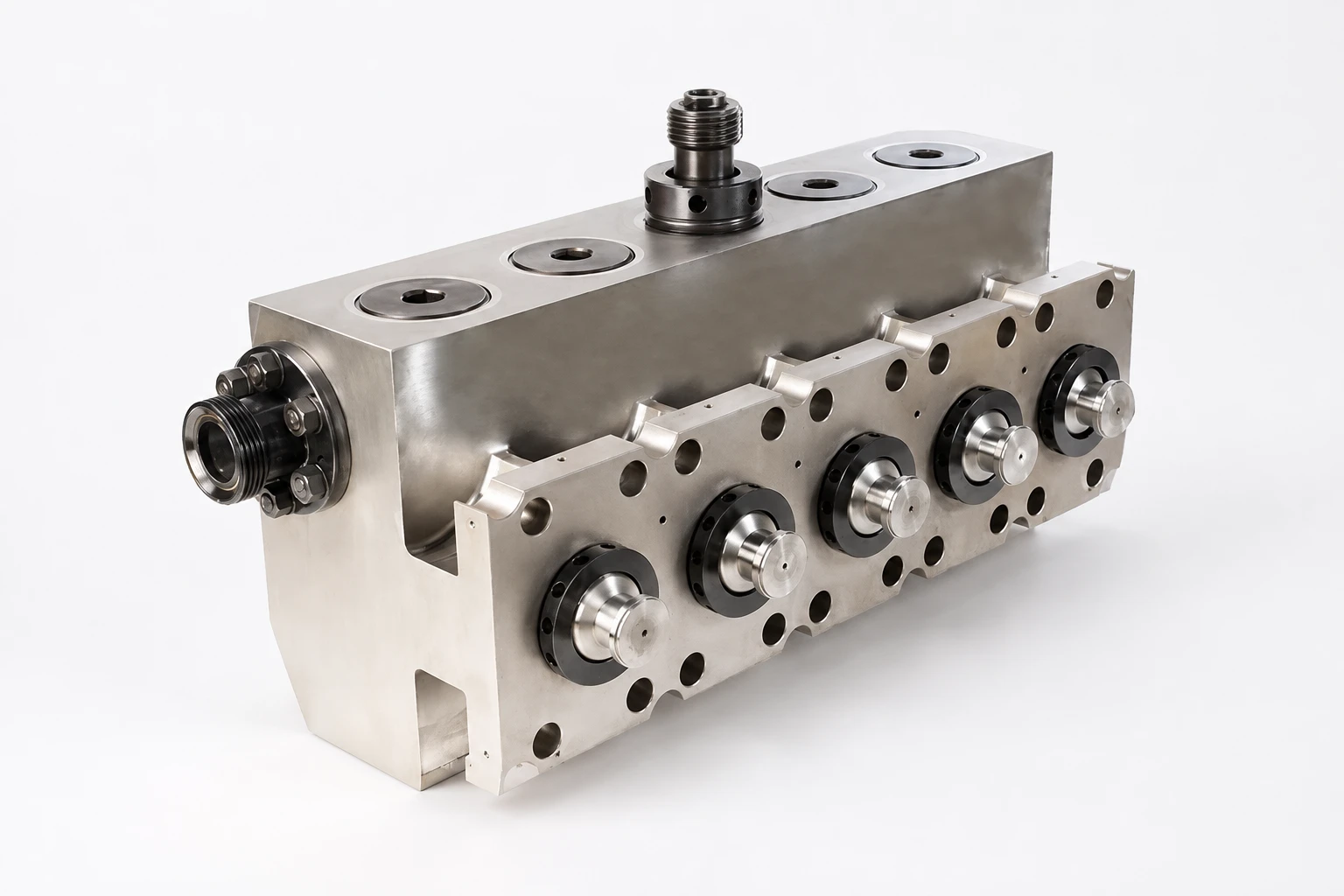
Facilite estos datos de equipo, producto y entrega al solicitar extremos hidráulicos o componentes. Un modelo de bomba puede tener varias configuraciones; la compatibilidad debe confirmarse mediante planos, referencias o muestras.
01Identificación del equipo
Indique fabricante, modelo completo, configuración y placa de identificación, referencias existentes o fotografías del conjunto. Señale modificaciones o sustituciones del extremo hidráulico.
02Productos y cantidades
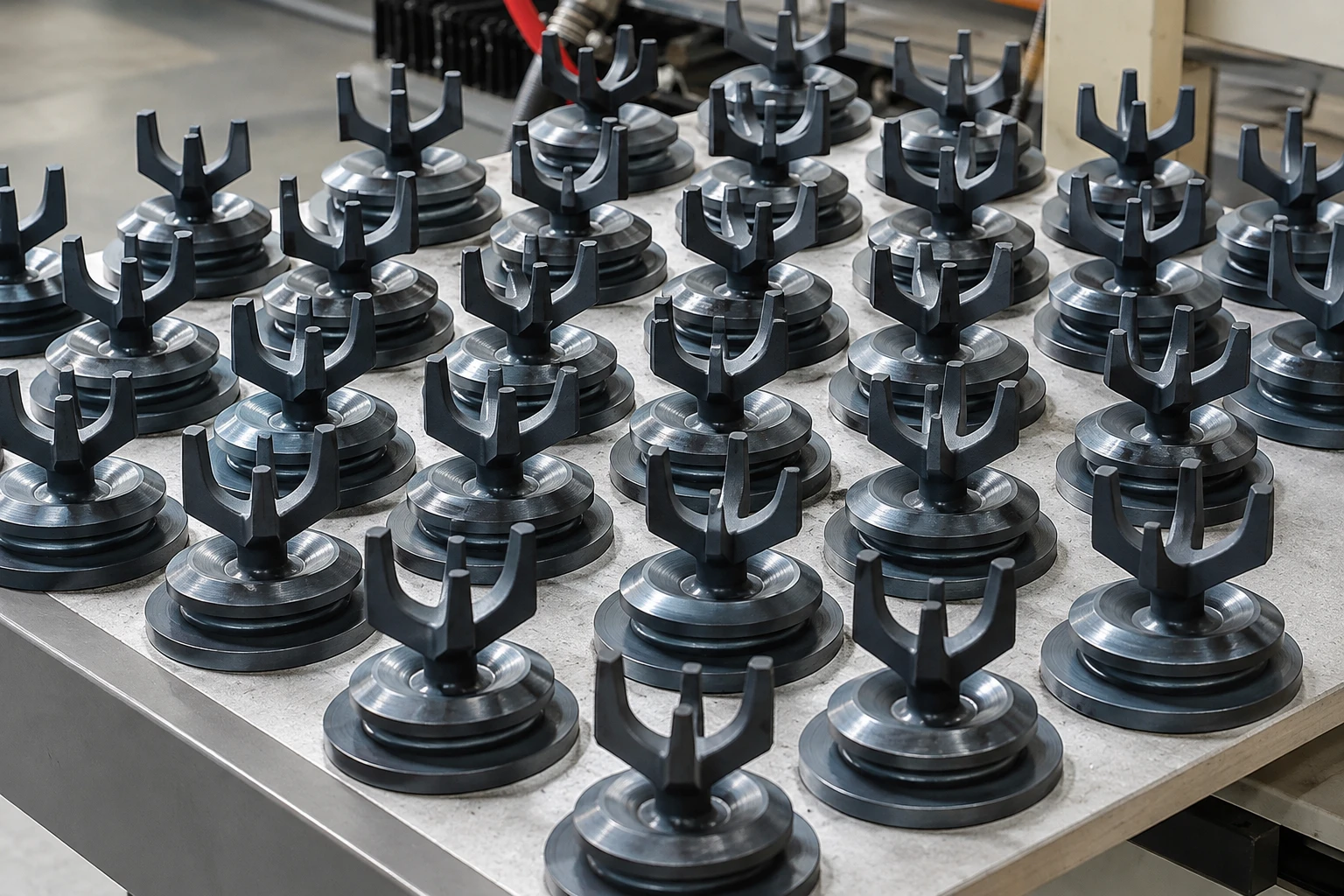
Identifique el conjunto, cuerpo, kit o componentes requeridos. Enumere nombres, especificaciones y cantidades de cada elemento.
03Planos y dimensiones
Incluya revisiones y unidades. Para piezas sin plano, aporte fotografías generales, de extremos, conexiones y marcas junto con las dimensiones clave.
04Requisitos técnicos y de calidad
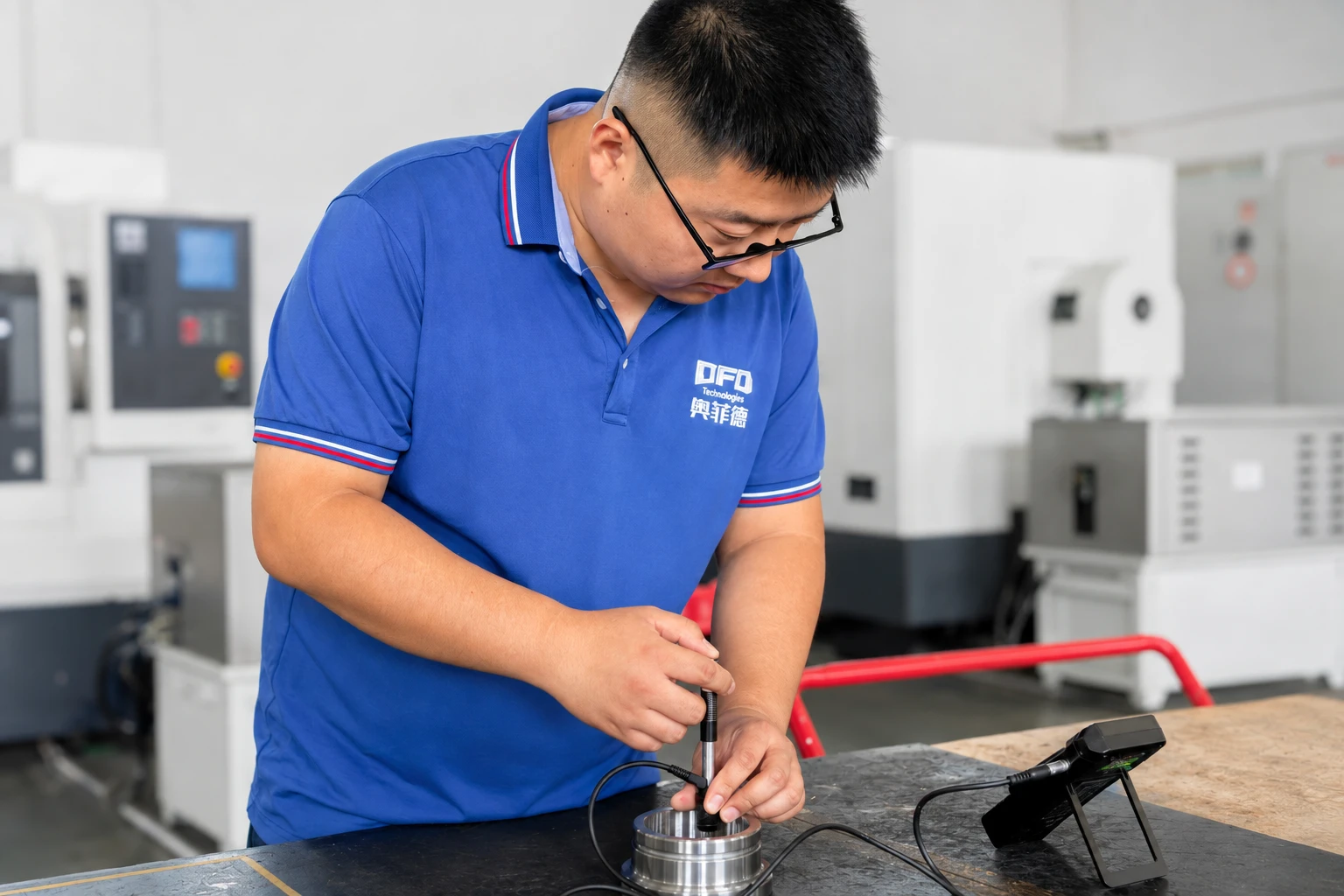
Enumere materiales, fluidos de servicio, presiones nominales, tratamiento térmico, dureza, inspecciones, ensayos y documentos de entrega, con normas y criterios de aceptación.
05Información de entrega
Indique destino, fecha solicitada, embalaje y envíos parciales. Confirme el stock de las referencias específicas antes de pedir un envío desde el almacén de Houston.
Puede presentar los datos disponibles y señalar los pendientes. La compatibilidad final, el alcance y las fechas de entrega están sujetos a confirmación técnica y comercial.
Volver a noticias