
Contents
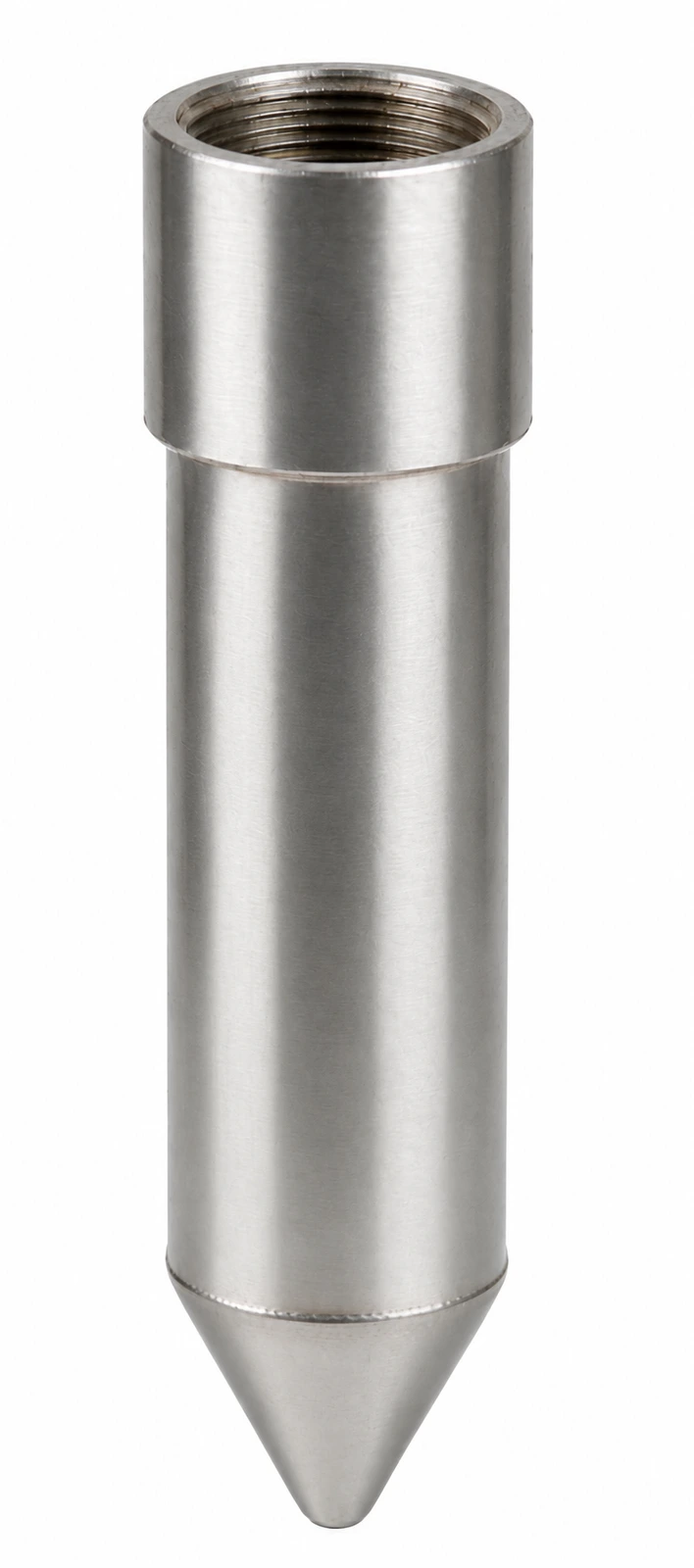
A drawing may show three tubes with the same nominal diameter, yet give each a different job. In a typical screened water well, the blank casing has a solid wall, the well screen has openings at the selected water intake interval, and a tail pipe, when the design calls for one, extends below the screen. Follow the well drawing from top to bottom to see where each section starts and ends.
Blank casing lines the borehole
Blank casing maintains the bore opening along the intervals shown on the well design. Its solid wall keeps those intervals out of the intake area. The annular seal or grout belongs to the well design as a separate detail. Check the specified casing intervals and seal locations together to see how the design manages entry from surrounding formations.
On the casing schedule, separate nominal diameter from actual outside diameter and wall thickness. Check the clear bore where the pump, tools or other equipment will pass. A coupling or internal shoulder can reduce clearance even when the pipe body gives enough room.
The well screen sets the water intake interval
The openings in a well screen let groundwater enter the well. The selected slot size and, where specified, the filter pack help control the entry of formation particles. A wire-wrapped screen forms continuous slots between adjacent turns of profile wire. A slotted pipe has openings cut through its wall. The choice of construction, slot size and filter pack belongs to the project design.
Read the active screen length separately from the overall length. Blank ends, rings and threaded sections may count toward overall length while contributing no open area. If the drawing has more than one screened interval, record the top and bottom of each interval and the blank sections between them.
A tail pipe extends the string below the screen
A tail pipe is the lower tubular section beneath the screen where the design calls for that extension. In some well designs, a blank bottom section forms a sump that gives settled material space below the active screen. The drawing should show whether that function is intended and how the bottom is closed.
The stainless steel tail pipe shown here has a machined thread at one end and a welded conical end at the other. Check its total length, bottom shape and upper connection as separate details. Include the end fitting when checking the overall depth of the assembled string.
OFD water well tubular products
Compare the three parts on one drawing
Start with the depths, then work through the dimensions at each interface. An assembly view reveals where a coupling covers part of a blank end, where the screen begins and how far the bottom fitting extends. Use the same depth datum throughout the drawing.
For a replacement, compare the proposed part against the mating end on site. The installed casing or screen may differ from an old purchase description. A marked drawing and measurements from an undamaged end give the supplier a clearer basis for checking fit.
| Component | Role and typical location | What to check |
|---|---|---|
| Blank casing | Solid wall along the specified borehole interval | Outside diameter, wall thickness, clear bore and end connections |
| Well screen | Water intake across the selected screened interval | Slot size, active length, overall length and end connections |
| Tail pipe | Extension below the screen where specified | Overall length, upper connection and bottom detail |
Well screen and casing connection checklist
Example of a three part well string
Suppose a drawing shows blank casing above a wire-wrapped screen and a closed tail pipe below. Start by marking the top and bottom of the active screen where the design calls for water to enter. Then identify the joints at both ends and include their installed dimensions before calculating the final bottom depth.
If the team changes the tail pipe length or substitutes a different coupling, update the assembled drawing. Check the active screen depths, minimum clear bore and final bottom depth again before releasing the revised part list. This ties the order to the positions that matter in the well.
Common questions about screened well strings
Does every water well need a tail pipe?
The well design determines whether a lower extension or sump is needed and how the string terminates.
Can the screen and casing share the same nominal diameter?
They can. Check the actual diameters, mating end details and clear bore in the assembled joint.
Does the tail pipe count toward active screen length?
A blank tail pipe adds to the assembled length. Calculate active screen length from the portion with designed intake openings.